Overview
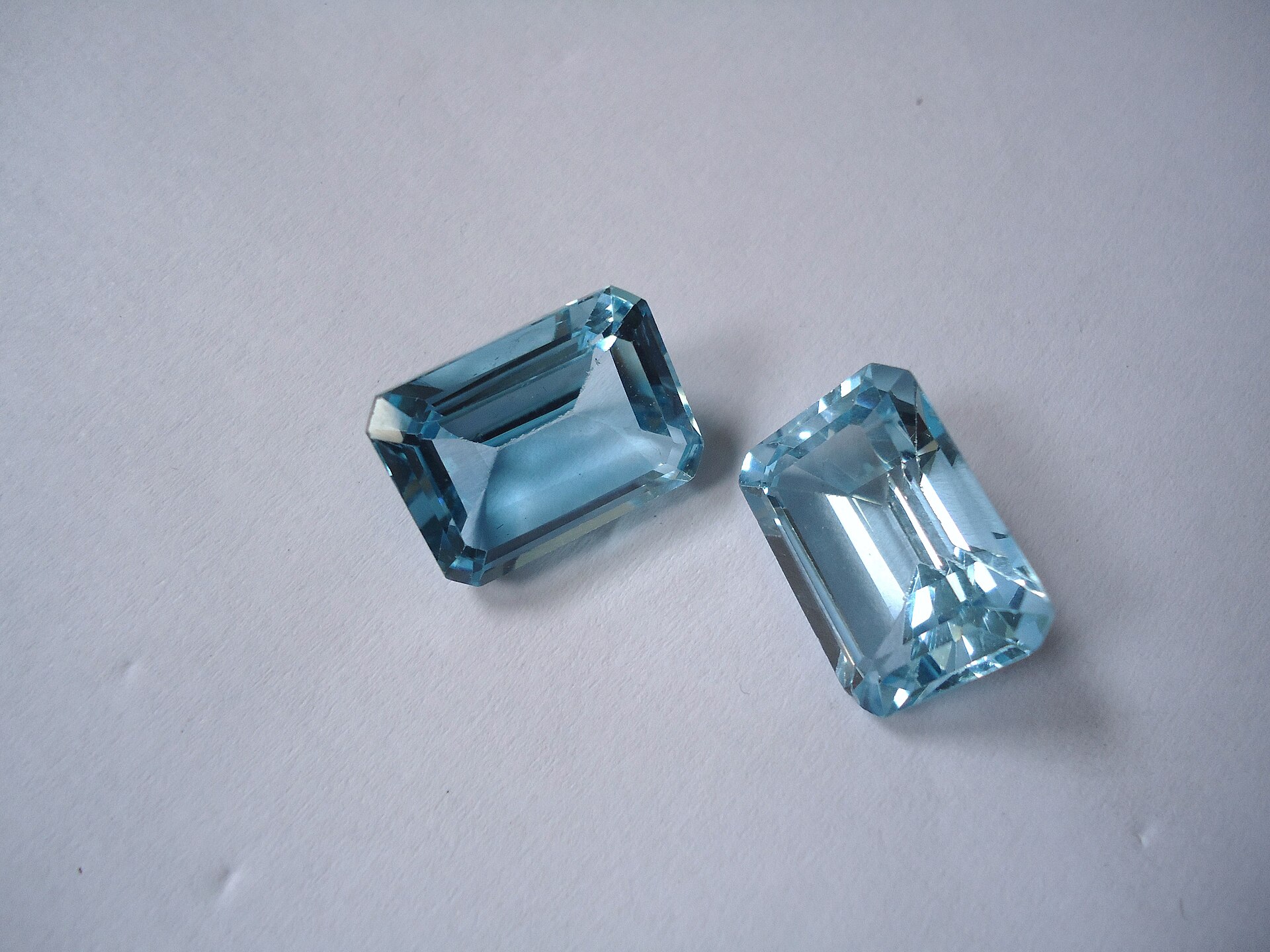
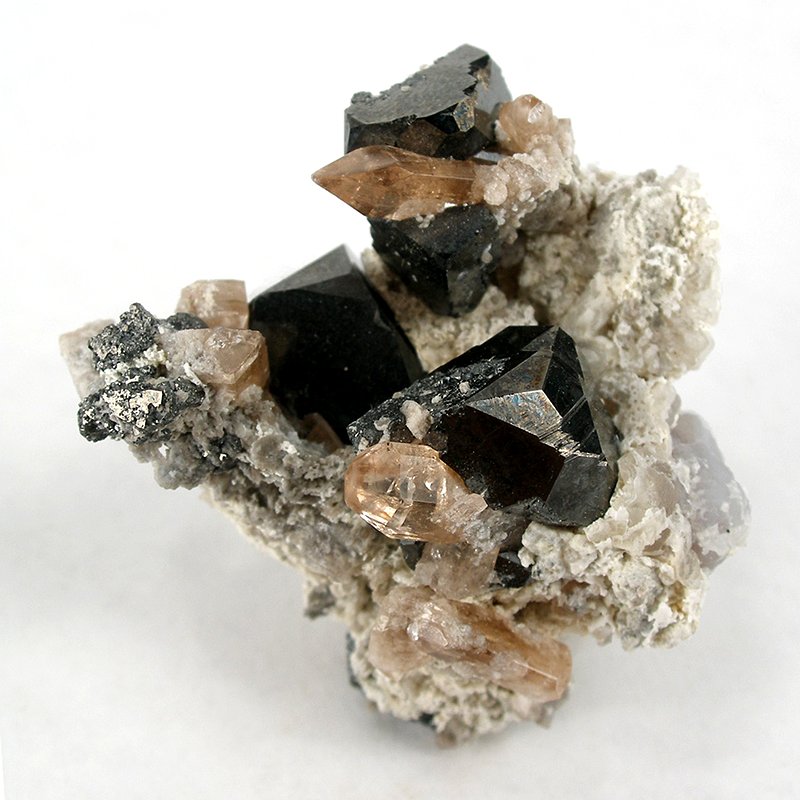
Topaz is a fluorine-bearing aluminium silicate that forms beautifully terminated orthorhombic crystals, often of remarkable size. Pure topaz is colourless, but trace impurities and natural irradiation produce a spectrum of colours: yellow, orange, the prized red-orange "imperial" variety, pink, blue (mostly produced by treatment) and brown.
The name derives from *Topazios*, an ancient Greek name for an island in the Red Sea (likely modern Zabargad) where chrysolite — actually peridot, not topaz — was historically mined. The naming confusion persisted into the 19th century. Modern topaz is most associated with the Ouro Preto district of Minas Gerais, Brazil, the world's primary source of "imperial topaz" — the saturated reddish-orange variety that commands gem-quality prices.
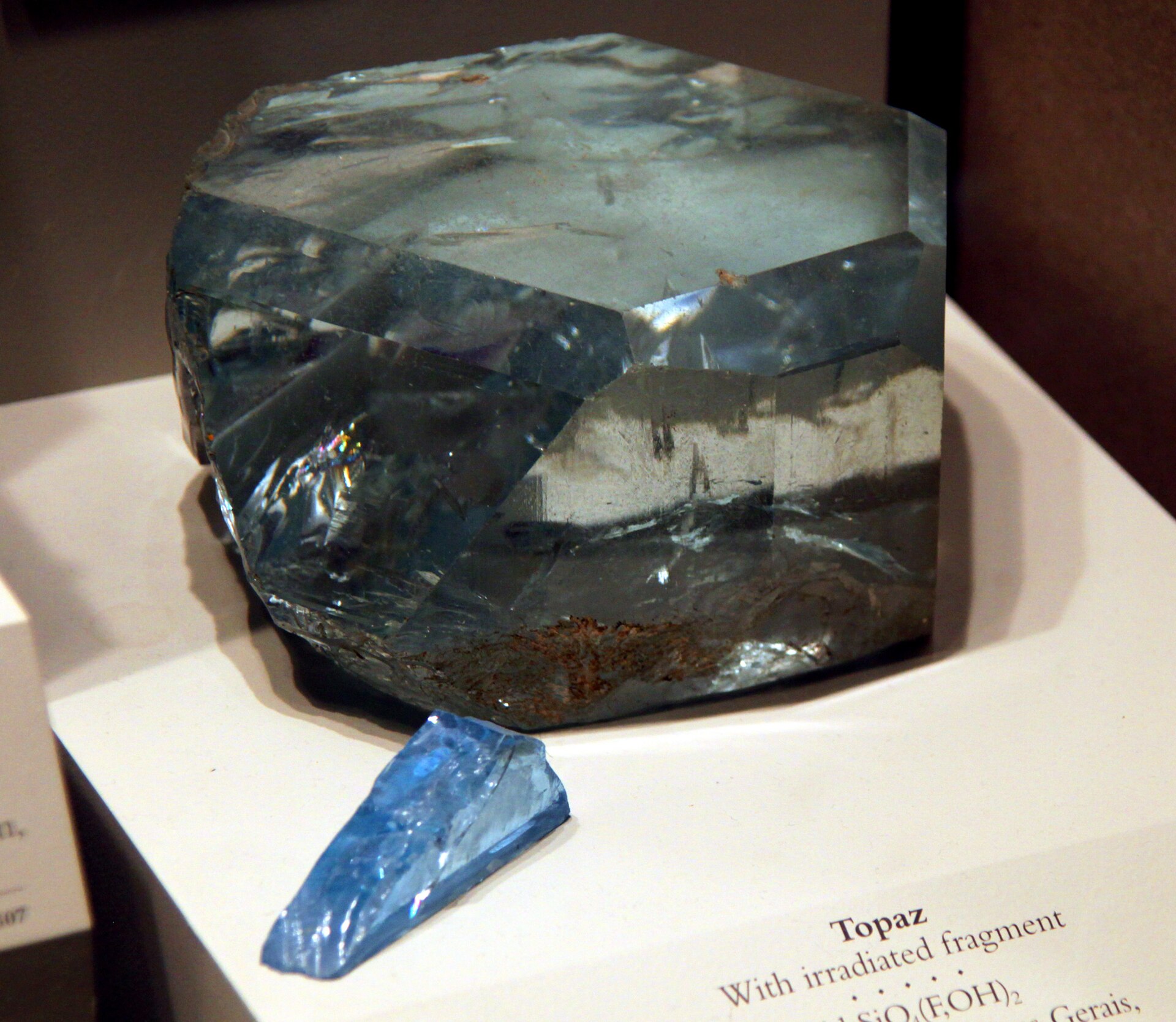
Topaz crystals are famously large: the El-Dorado topaz from Brazil weighs 31,000 carats faceted (~6.2 kg). Russian crown jewels include topaz crystals over 80 kg in rough.
Formation
Topaz crystallises in fluorine-rich environments — most often in granitic pegmatites, rhyolitic cavities (lithophysae), and high-temperature hydrothermal vein systems associated with tin and tungsten mineralisation. The fluorine content of the magma must be high (>1% F) for topaz to form rather than other Al-silicates.
The Ouro Preto deposits formed by hydrothermal alteration of Precambrian phyllites and quartzites by fluorine-rich fluids around 500 million years ago, producing the unique imperial colour through Cr³⁺ chromophore inclusion.
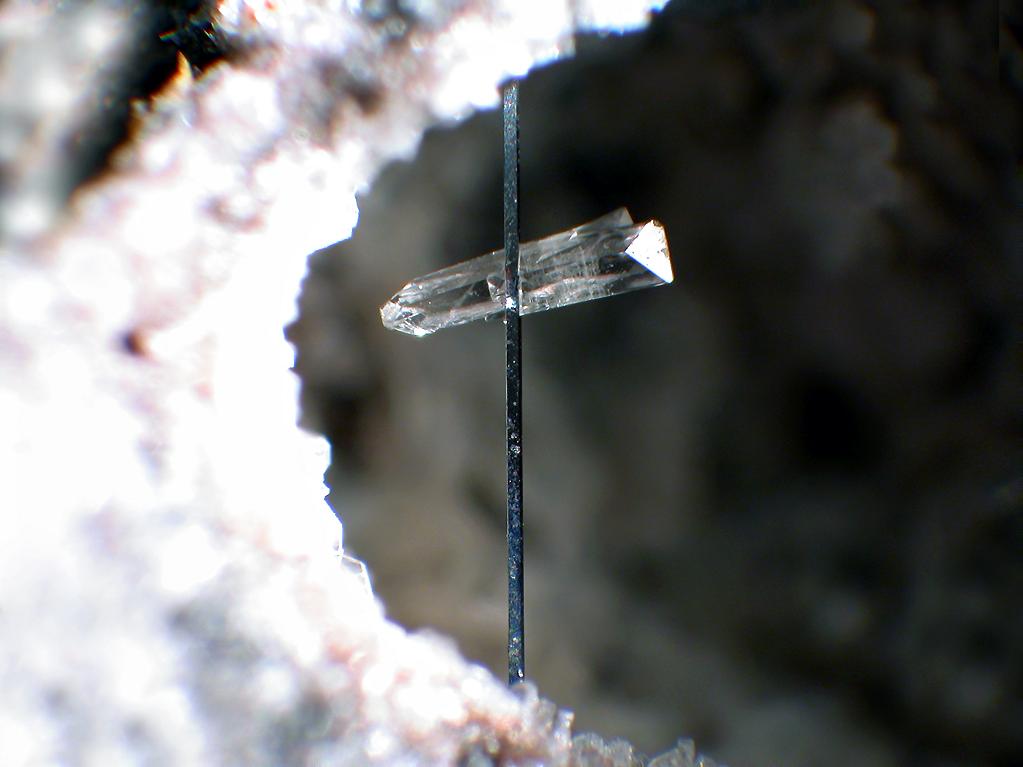
The Volyn (Ukraine) and Topaz Mountain (Utah) deposits formed in cavities within high-silica volcanic rocks, where topaz crystallised from fluorine-rich vapour at high temperatures.
Varieties
Imperial topaz — orange to red-orange to pinkish-red; only from Ouro Preto (and minor Pakistan deposits). The most valuable variety.
Yellow topaz / sherry topaz — pale to deep yellow, mostly Brazilian.
Blue topaz — natural blue is extremely rare; >99% of commercial blue topaz is colourless topaz that has been irradiated and heat-treated. Trade names: Sky Blue, Swiss Blue, London Blue (in increasing colour depth).
Pink topaz — rare natural pink (some Pakistan deposits); much of the market is heat-treated from yellow Brazilian rough.
Mystic topaz — colourless topaz with a thin metallic coating producing rainbow iridescence; treated, not natural.
Champagne topaz — pale brown to golden-brown; common, affordable.
Colourless topaz — abundant; used as a diamond simulant in the past, today often irradiated to produce blue topaz.
How to identify
Topaz identification:
- Hardness 8 — scratches quartz; cannot be scratched by corundum.
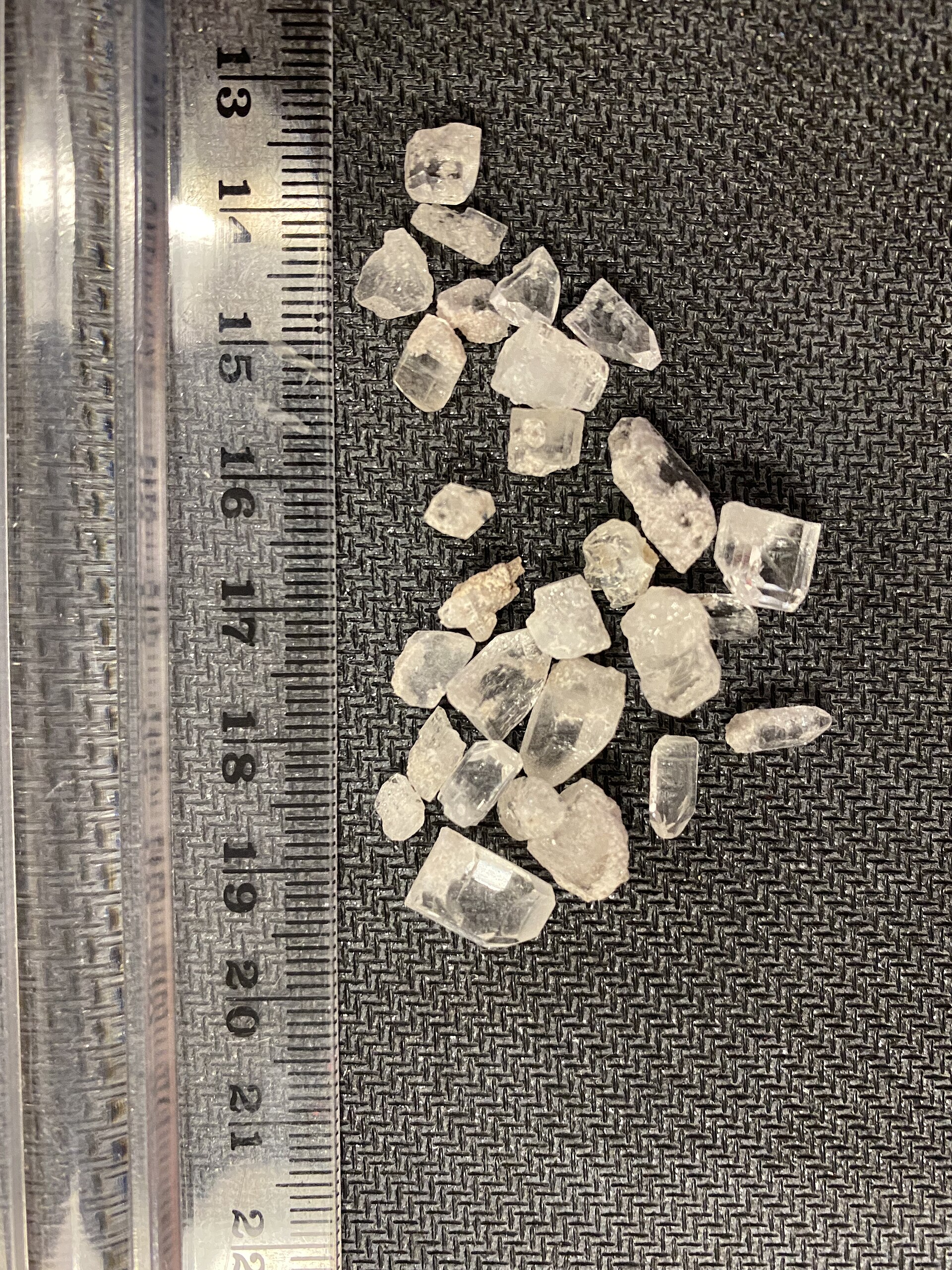
- Perfect basal cleavage — diagnostic; topaz cleaves cleanly along the c-axis, visible in well-formed crystals.
- Specific gravity 3.4–3.6 — heavier than quartz and beryl, distinguishable on heft.
- Refractive index 1.609–1.643 — birefringence 0.008–0.011 (biaxial positive).
- Pleochroism: yellow/colourless variation in coloured stones.
Common confusions: citrine (lower hardness 7, no cleavage, SG 2.65), yellow beryl/heliodor (no cleavage, lower SG 2.7), yellow sapphire (harder 9, much higher SG 4.0), yellow glass (single refraction, lower hardness).
Treatment disclosure for blue topaz is now standard and required by FTC. Untreated natural blue topaz commands a significant premium (>$100/ct vs $5–$15/ct for treated equivalents).
Meaning & metaphysical properties
Topaz is associated with the solar plexus chakra and considered a stone of personal will, confidence and manifestation. Imperial topaz is the November birthstone in modern Western tradition, and blue topaz the December alternative birthstone (with turquoise and tanzanite).
In ancient Egypt topaz (or rather, peridot, due to the naming confusion) was associated with the Sun god Ra and worn for protection from harm during the day. In medieval Europe yellow topaz was believed to dispel fear and grant courage; some sources attributed it the power to make the wearer invisible in emergencies.
Vedic astrology assigns yellow topaz as the secondary gem of Jupiter (*Guru*), recommended for wisdom and prosperity when yellow sapphire is unavailable.
Care & cleaning
Topaz's perfect basal cleavage is its major weakness — a sharp impact along the c-axis can split the stone cleanly. Care guidelines:
- Avoid ultrasonic and steam cleaners — vibrations can initiate cleavage cracks, especially in heat-treated blue topaz which may have internal stress.
- Clean only with warm soapy water + soft brush.
- Avoid sudden temperature changes — thermal shock cracks topaz easily.
- Set in protective settings for ring use; bezel preferred to prong.
- Store separately — topaz can scratch most other gems except sapphire/diamond.
Treated blue and pink topaz can fade slightly with prolonged sunlight exposure — display away from direct sun.
Gallery
Looking to buy a topaz specimen?
Our small curated catalogue of topaz specimens is published on Etsy with worldwide shipping.
Browse Gemsprings on Etsy