Overview
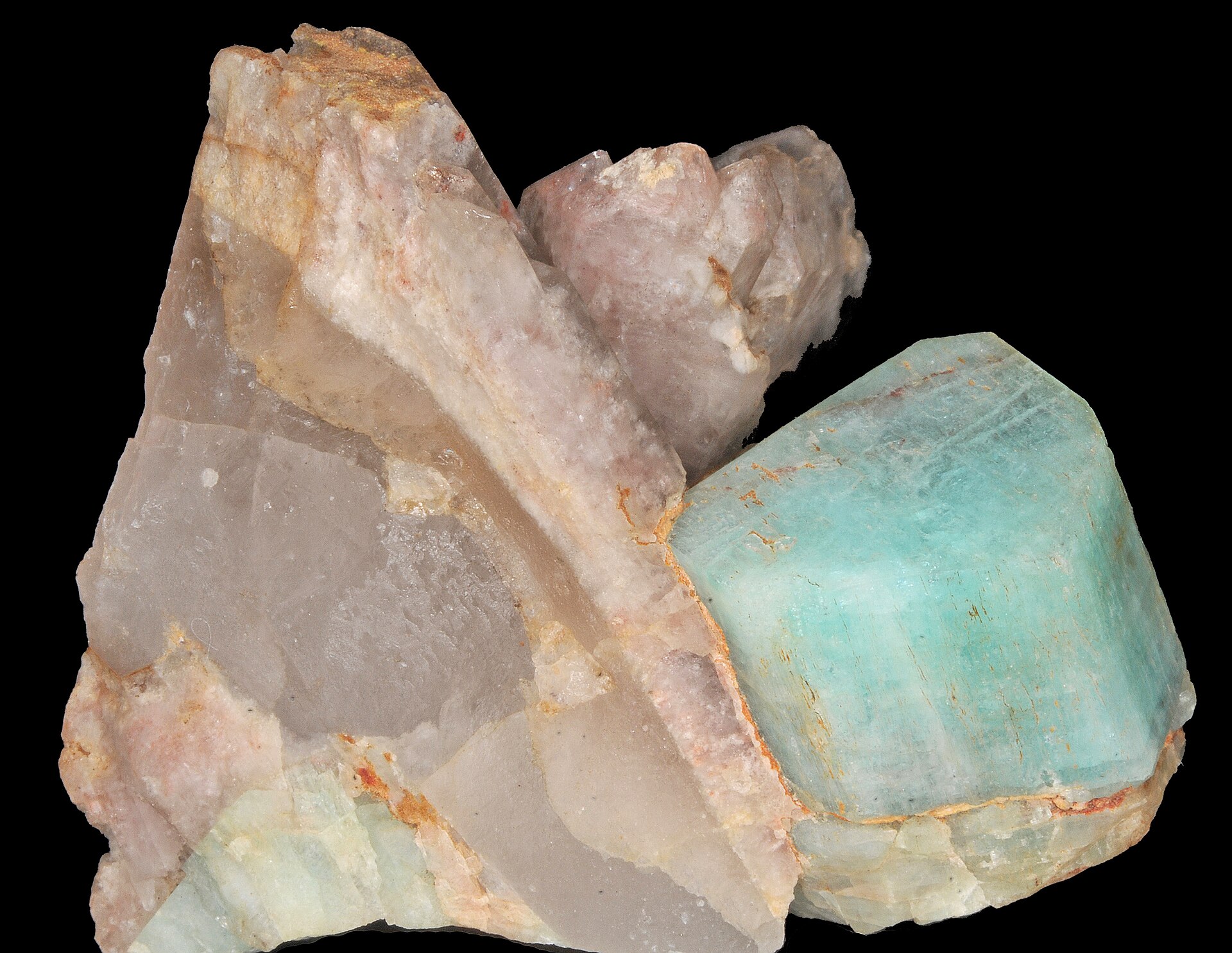
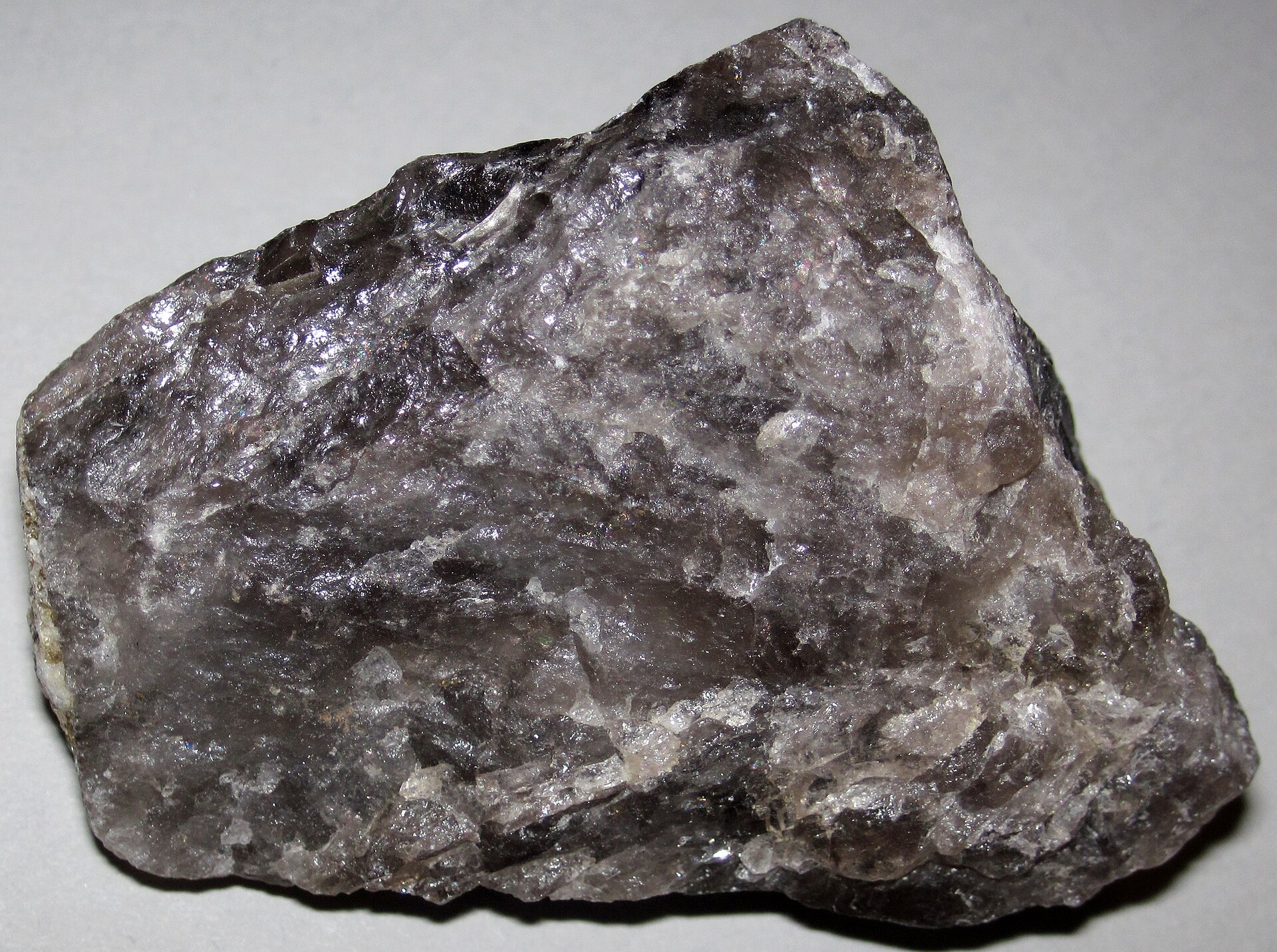
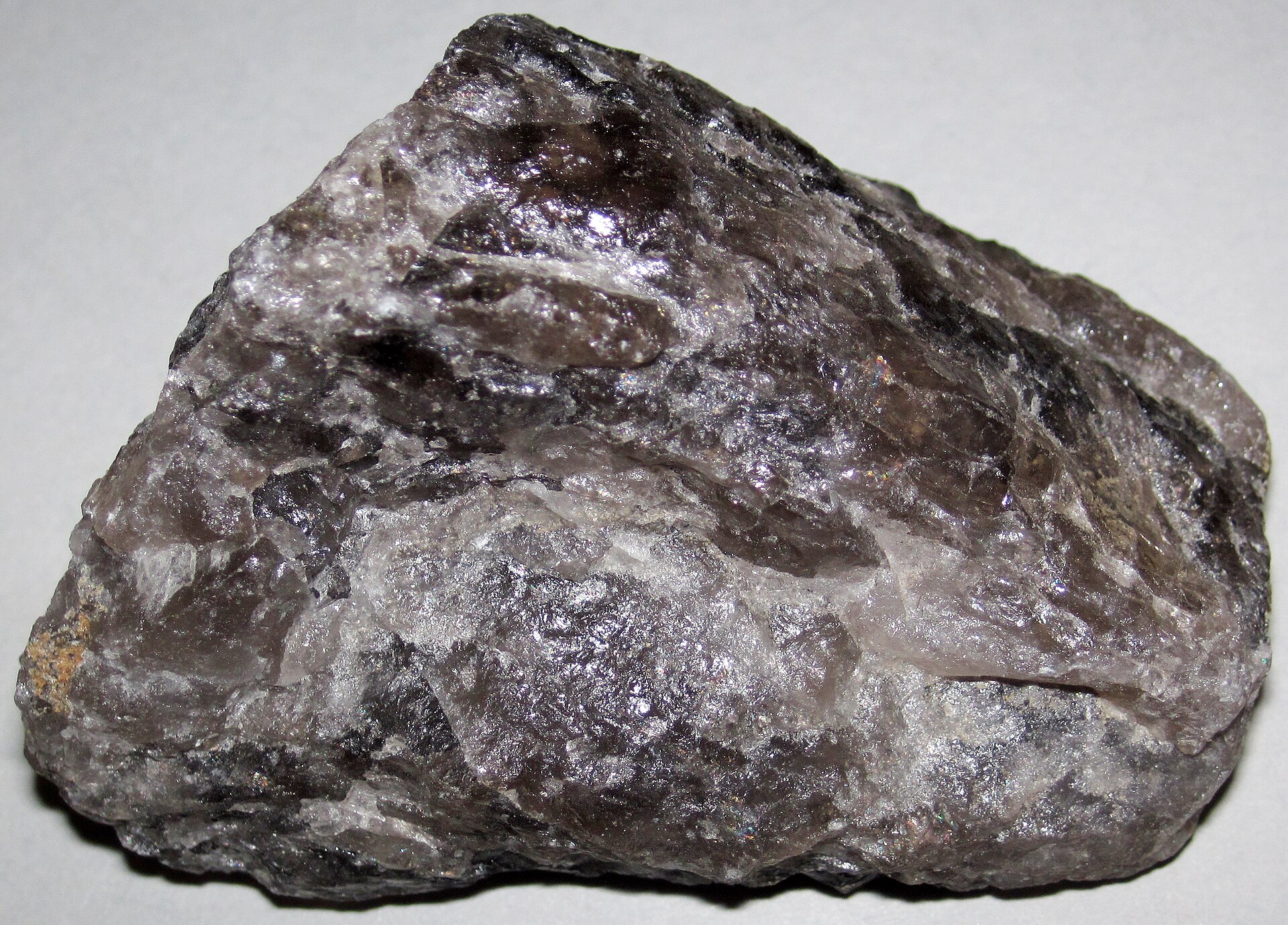
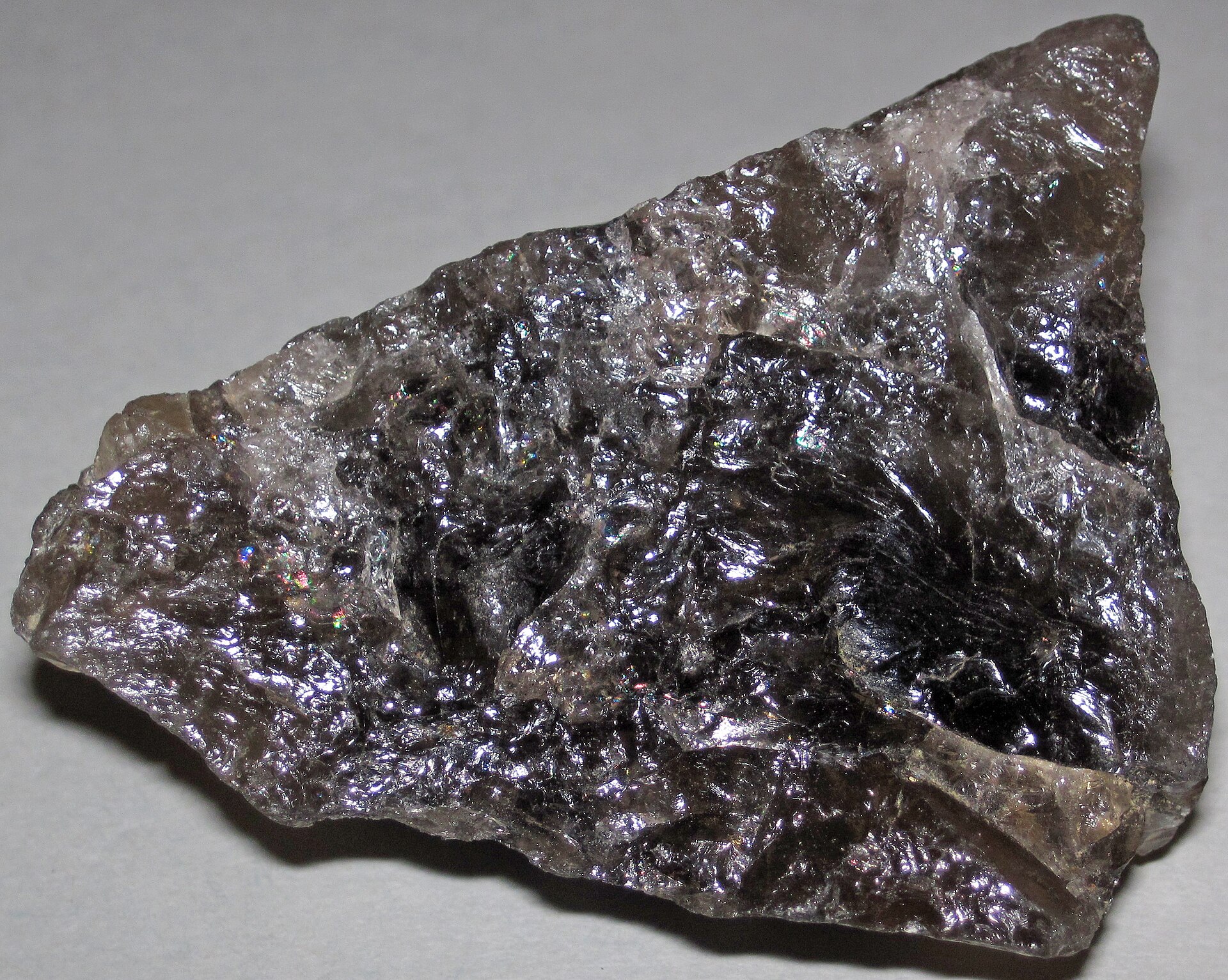
Smoky quartz is the brown to black variety of macrocrystalline quartz, ranging from pale champagne smoky tones to the deep almost-opaque black known as "morion". The colour is produced by natural gamma radiation from radioactive elements in surrounding rocks acting on aluminium impurities in the quartz lattice, creating colour centres that absorb light in the blue range and produce the smoky tones.
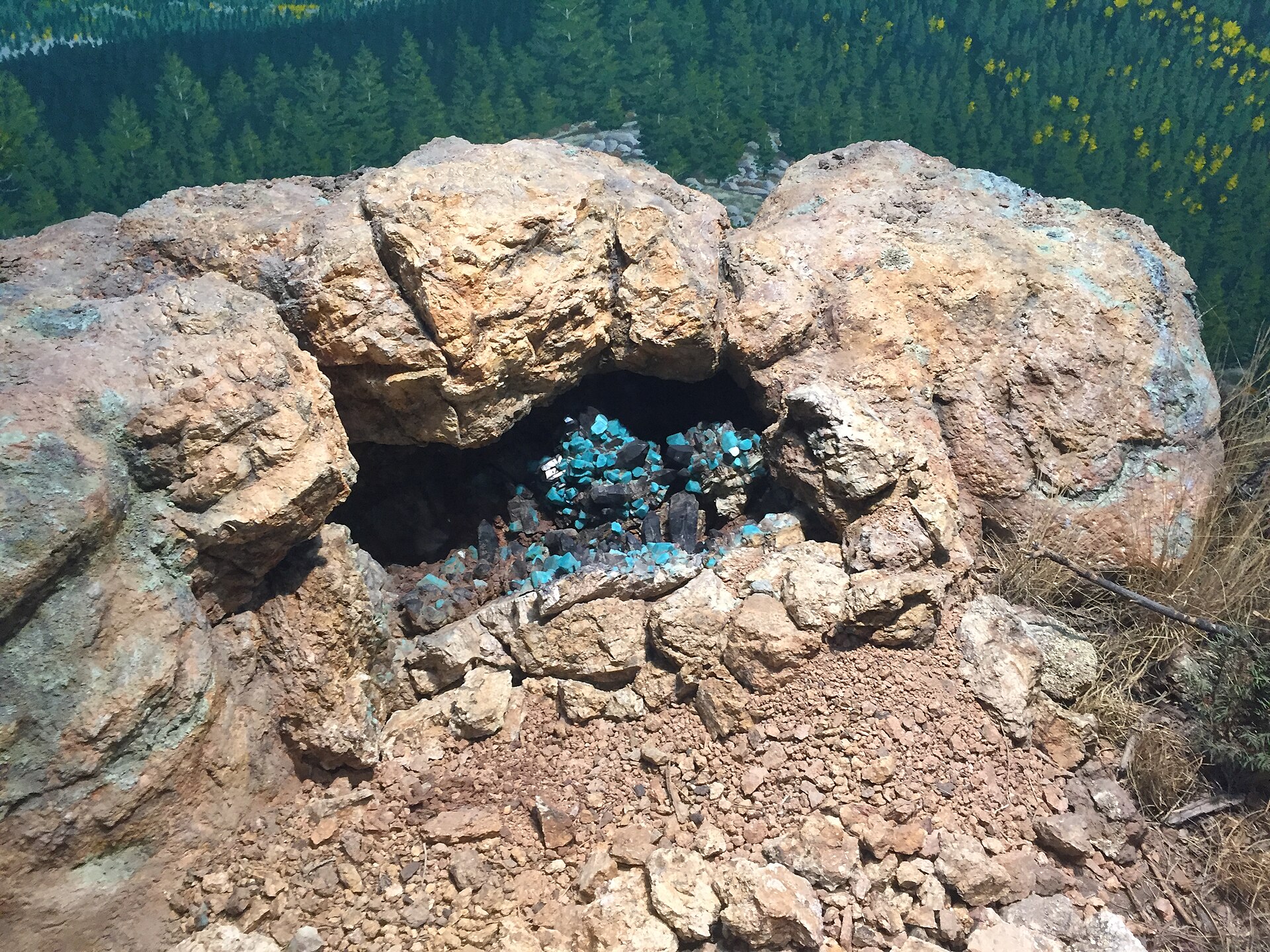
Smoky quartz often forms exceptionally large and sharp terminated crystals, particularly in the Alpine clefts of Switzerland and Austria, the Pikes Peak pegmatites of Colorado, and the Cairngorm Mountains of Scotland — where it gives its alternative name "Cairngorm stone", the national stone of Scotland.
Formation
Smoky quartz forms in granitic and pegmatite environments where natural background radiation is elevated and aluminium impurities are present. As the quartz crystallises, Al³⁺ substitutes for Si⁴⁺ in the lattice; over geological timescales, gamma radiation from nearby potassium-bearing feldspars and radioactive accessory minerals (zircon, thorite, monazite) gradually creates the colour-producing electron hole centres.
This means smoky quartz is essentially a natural "radiation dosimeter" of its host rock — the deeper the smoky colour, the older the crystal or the more radioactive the environment. Heat above 300–400 °C destroys the colour and reverts smoky quartz to colourless rock crystal.
Varieties
Cairngorm — yellow-brown to smoky brown variety from the Cairngorm mountains, Scotland. Traditionally set into Highland jewellery and the hilts of dirks.
Morion — the deepest, almost opaque black variety. Most morion on the market comes from Mozambique or has been irradiation-enhanced.
Champagne quartz — pale golden-brown smoky quartz, very prized in cut form.
Brandberg smoky — phantomed smoky quartz from the Brandberg mountain, Namibia, often with internal phantoms and enhydros.
Cathedral smoky quartz — heavily etched, parallel-growth crystals giving a "stacked" appearance, typical of Madagascan material.
How to identify
Hardness 7, SG 2.65, vitreous luster, terminated hexagonal prisms. The brown colour distinguishes it from clear quartz; the transparency and colour zoning distinguish it from black tourmaline (which has parallel striations and is opaque).
A simple test for irradiation-treated material: natural smoky quartz colour is uniform along growth zones; artificially irradiated colour often shows uneven distribution and may concentrate at fractures.
Meaning & metaphysical properties
Smoky quartz is considered the foremost grounding crystal in modern metaphysical traditions — associated with the root chakra and used to absorb negative energy, dispel anxiety, and anchor the user during stressful periods or intense spiritual work. Many practitioners keep a smoky quartz cluster near their workspace or front door.
It is also a traditional stone for protection during travel: Scottish lairds historically carried polished cairngorm pebbles as talismans.
Care & cleaning
Avoid prolonged direct sunlight — the colour can fade over months of intense exposure. Clean with warm soapy water; ultrasonic and steam cleaners are safe for solid pieces. Store separately from harder gemstones to prevent surface scratching.
Gallery
Looking to buy a smoky quartz specimen?
Our small curated catalogue of smoky quartz specimens is published on Etsy with worldwide shipping.
Browse Gemsprings on Etsy