Overview
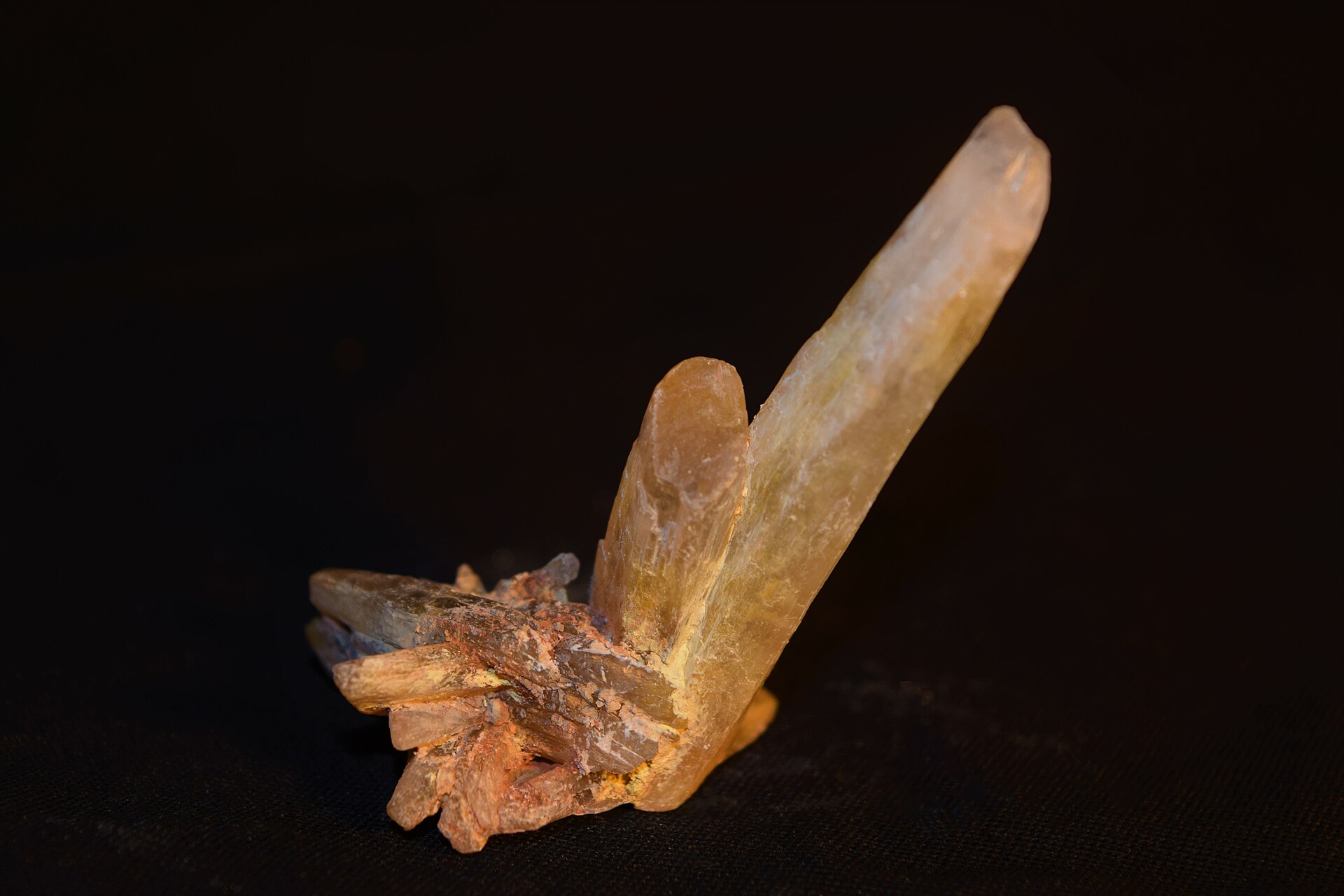
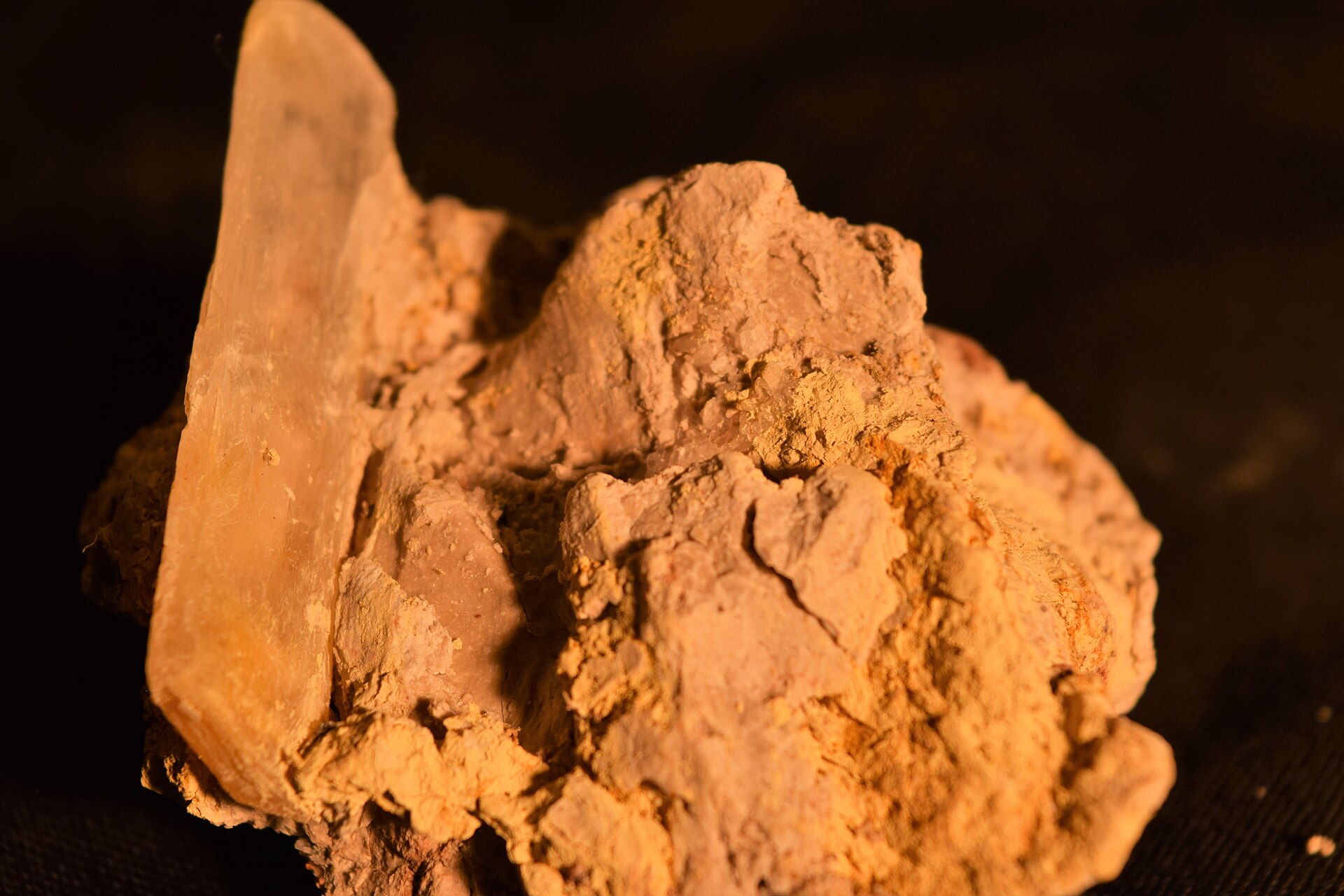
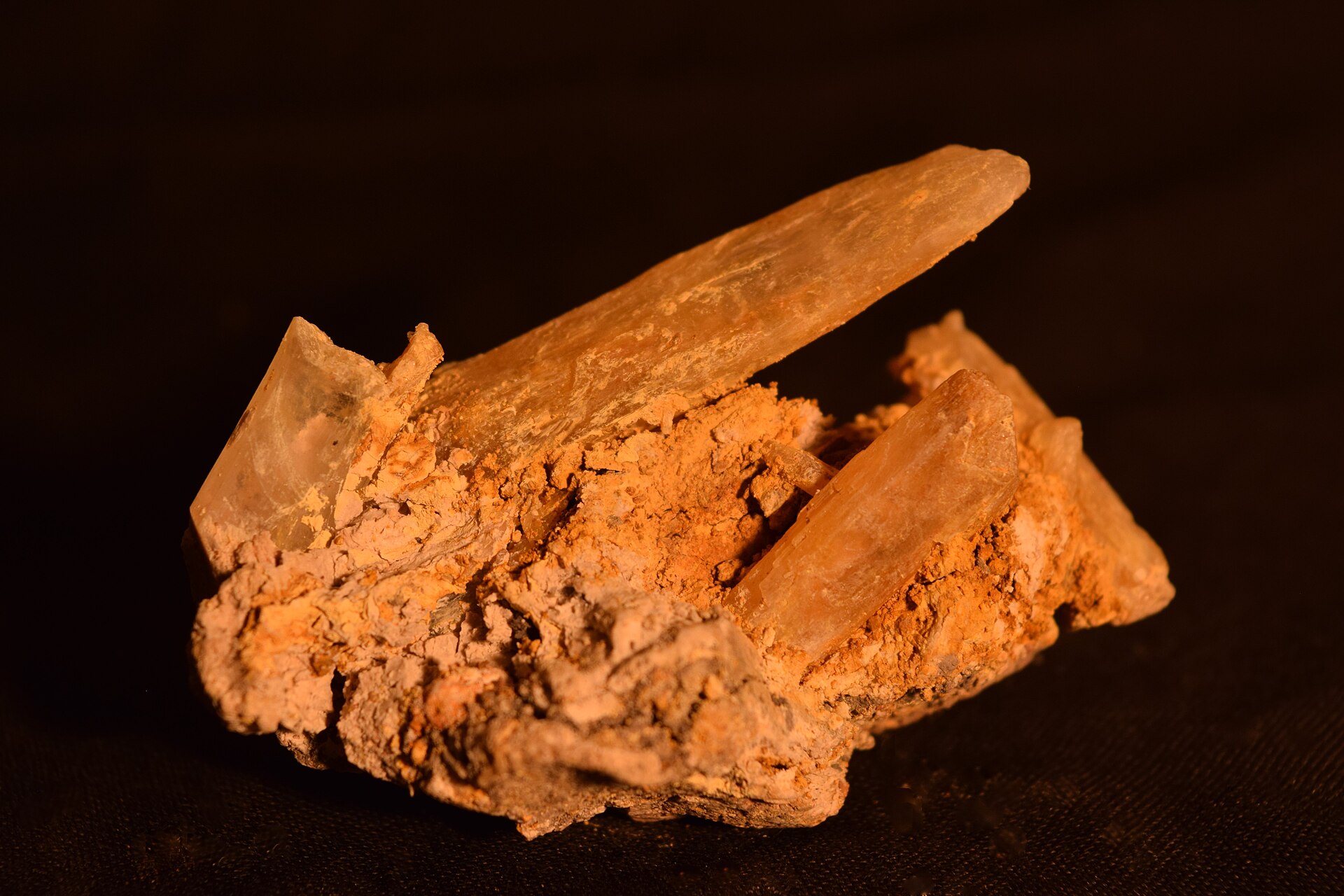
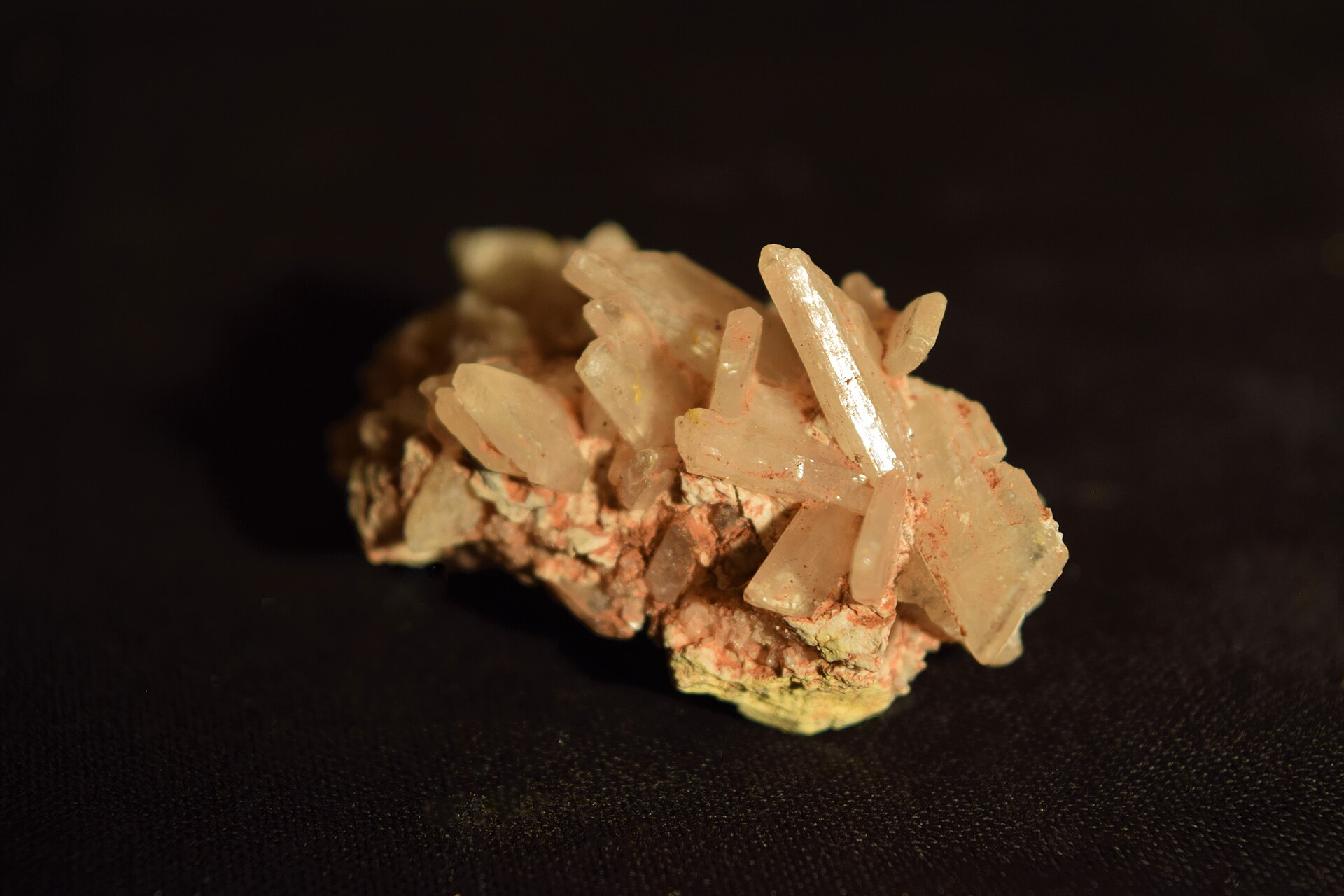
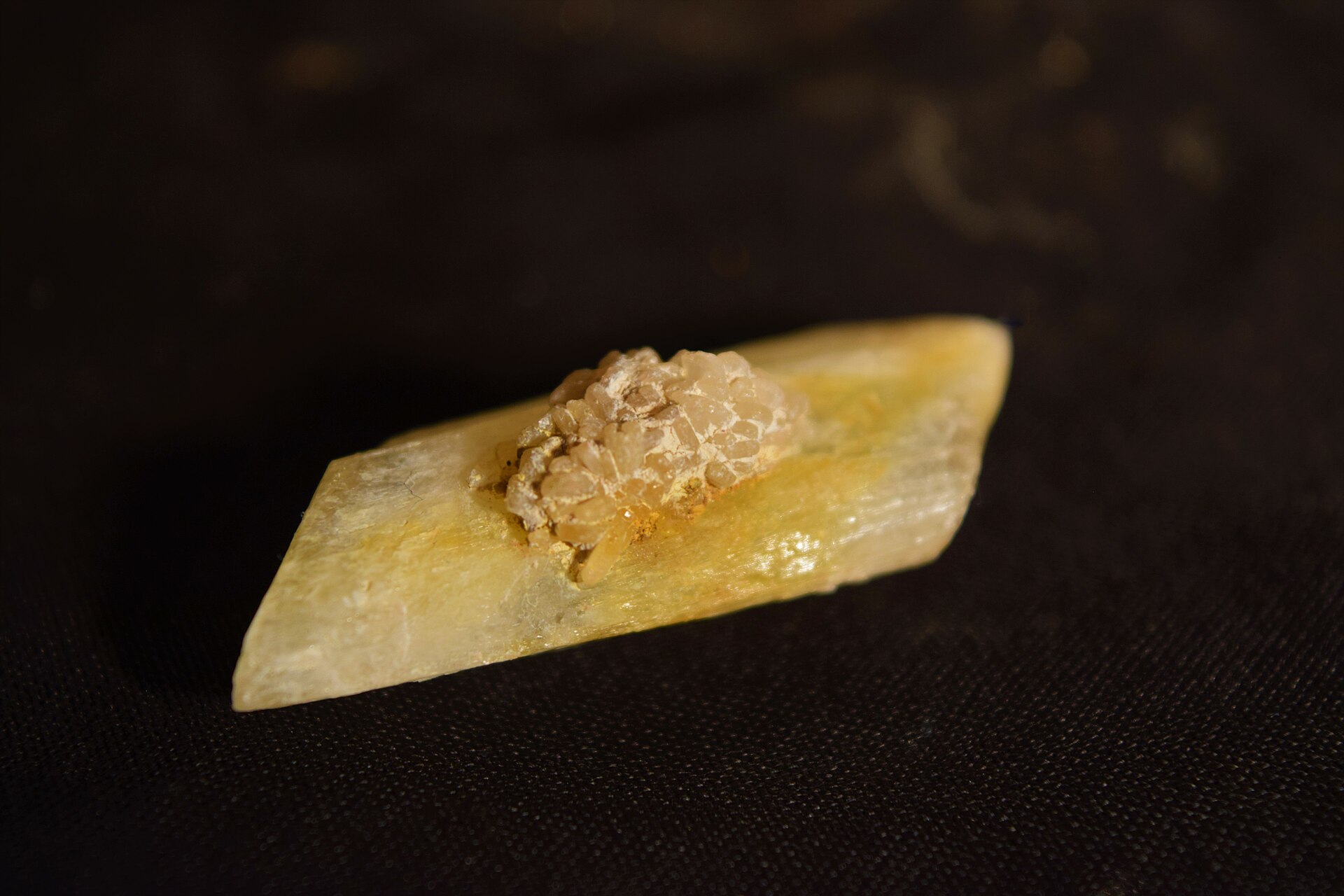
Selenite is the crystalline variety of gypsum (calcium sulfate dihydrate), forming colourless to white transparent crystals with a distinctive silky or pearly luster on cleavage faces. It is one of the softest commonly-collected minerals (Mohs 2) — soft enough to scratch with a fingernail — and dissolves slowly in water. Despite this fragility, selenite forms some of the most spectacular crystals in the mineral kingdom.
The giant Cueva de los Cristales in the Naica mine, Mexico (discovered in 2000) contains selenite crystals up to 12 metres long and 1 metre across — the largest natural crystals ever documented. The cave maintained a constant 50 °C and saturated humidity for over 500,000 years, allowing the crystals to grow undisturbed in pristine geometric perfection.
Formation
Selenite forms by precipitation from sulfate-rich water as it evaporates or cools. Typical settings include:
- Evaporite basins — sea water trapped in shallow basins deposits gypsum as it evaporates; this produces the great gypsum beds of the world (Spain, Italy, USA).
- Cave systems with sulfide oxidation — sulfuric acid generated from oxidising pyrite or other sulfides reacts with limestone to produce gypsum; this is the mechanism of the Naica giant crystals, which formed in heated mineralised waters.
- Desert rose formations — selenite crystals incorporate sand grains as they grow in arid soils, producing the iconic rose-like clusters of Morocco, Tunisia and Oklahoma.
Varieties
Selenite blades — clear single tabular crystals; characteristic Naica habit.
Satin spar — fibrous gypsum with a silky chatoyant sheen; carved into the popular tower-shaped lamp wands sold in metaphysical shops.
Desert rose — cluster of bladed selenite crystals enclosing sand grains; classic from Sahara desert.
Fishtail / swallowtail selenite — twinned selenite crystals forming V-shaped pairs.
Angel wing selenite — fan-shaped clusters of thin transparent blades.
How to identify
Selenite is one of the easiest minerals to identify:
- Hardness 2 — scratches with fingernail.
- Three cleavages producing distinctive flat sheets, one perfect and pearly.
- Low specific gravity 2.32 — feels light.
- Colourless to white with vitreous luster, silky on cleavages.
Common confusions: calcite (harder at 3, effervesces in dilute HCl), muscovite mica (similar pearly luster but in foliated sheets and harder), glass (much harder, no cleavage).
Meaning & metaphysical properties
Selenite is one of the most popular metaphysical stones today — associated with the crown chakra and believed to clear stagnant energy from rooms, cleanse other crystals, and connect the user to "higher" spiritual planes. Selenite wands and lamps have become ubiquitous in spiritual retail.
The name *selenite* comes from the Greek *selēnē* (moon), referencing both the moonlight-like sheen of polished pieces and the traditional association with lunar deities. Renaissance alchemists used powdered selenite in moon-phase rituals.
Care & cleaning
Critical: do not wet selenite. Even brief exposure to water dulls the surface and dissolves the crystal slowly; immersion ruins it. Clean only with a dry soft brush or microfiber cloth. Avoid humid environments (bathrooms, kitchens). Hardness 2 means selenite scratches with almost anything — store away from harder stones and handle with care.
Selenite lamps with electrical components must be kept completely dry.
Gallery
Looking to buy a selenite specimen?
Our small curated catalogue of selenite specimens is published on Etsy with worldwide shipping.
Browse Gemsprings on Etsy