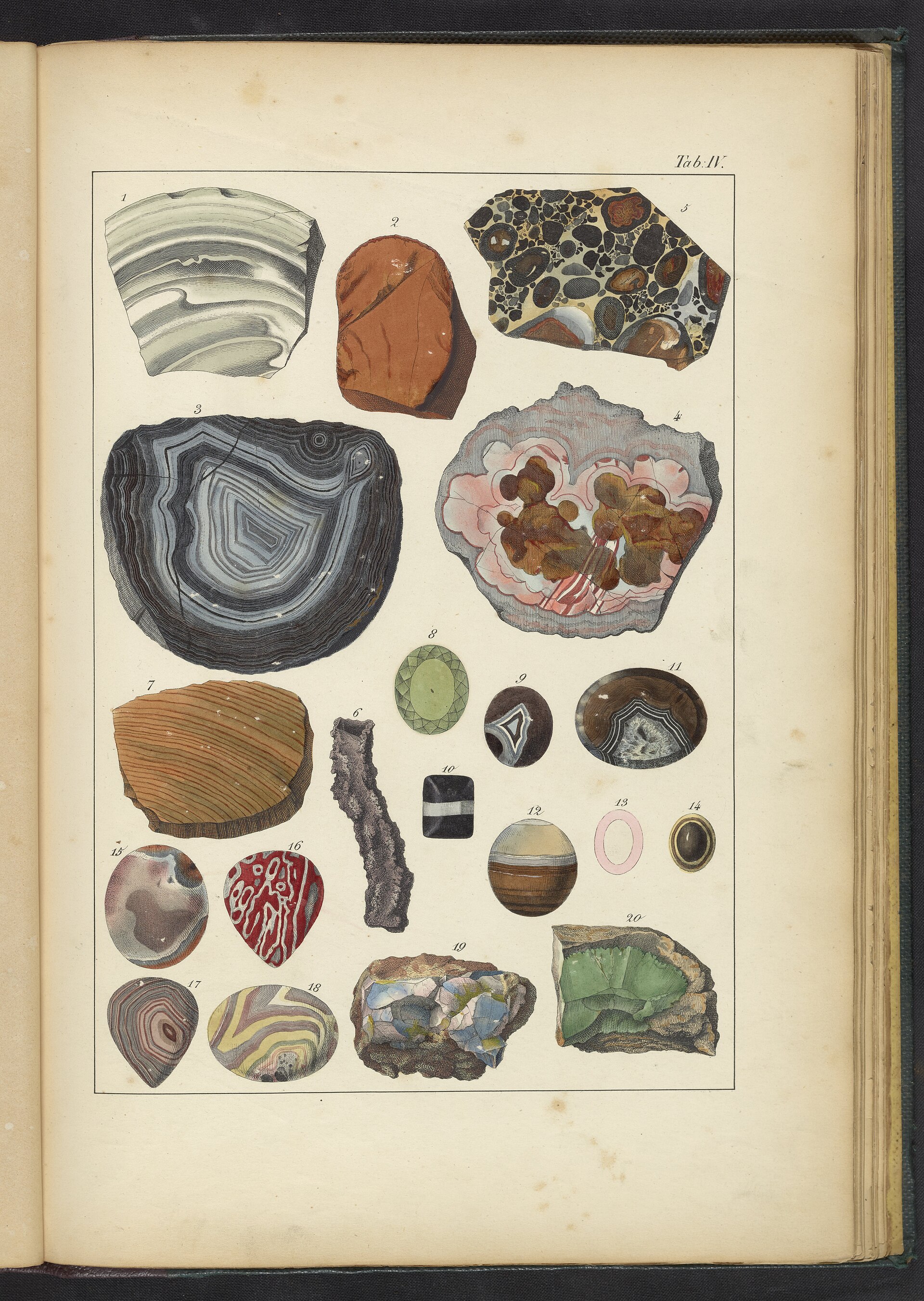
Overview
Opal is hydrated silicon dioxide (SiO₂·nH₂O), structurally amorphous rather than crystalline, making it a "mineraloid" rather than a true mineral by IMA standards. Despite this technicality it is one of the most cherished gemstones in history, prized for its unique "play-of-colour" — the rainbow flashes that appear when light diffracts off a regular three-dimensional array of microscopic silica spheres inside the stone.
Opal contains 3–21% water by weight, which makes it more vulnerable than most gemstones to dehydration and cracking ("crazing") if stored improperly. Australia produces approximately 95% of the world's precious opal, including the highly-valued black opal of Lightning Ridge and the white milky opal of Coober Pedy. Since the 2010s, Ethiopian Welo opal has become a major new source of bright play-of-colour opal at much lower prices.
Formation
Opal forms by precipitation from silica-rich aqueous solutions in cracks, vugs and replacement zones in sedimentary rocks. The famous Australian opal fields formed in Cretaceous sandstones and claystones approximately 100 million years ago, when silica was leached from overlying weathered rocks and reprecipitated in deeper porous horizons.
The "play-of-colour" requires the silica to precipitate as uniform-sized spheres (typically 150–400 nm) that arrange themselves into a regular three-dimensional lattice — a natural photonic crystal. The wavelength of light diffracted depends on the sphere diameter: smaller spheres give violet/blue flashes, larger spheres give red flashes. Common opal, which lacks the ordered structure, shows no play-of-colour.
Mexican fire opal forms in volcanic rhyolite cavities; Welo opal forms in volcanic ash sediments at much shallower depths.
Varieties
Black opal — dark body colour with vivid play-of-colour; almost exclusively from Lightning Ridge, Australia. The most valuable variety.
White opal — light body colour with play-of-colour; Coober Pedy, Andamooka (Australia).
Boulder opal — opal in thin seams within ironstone matrix; cut with matrix backing for stability.
Crystal opal — transparent to translucent body with play-of-colour.
Fire opal — orange to red translucent opal, often without play-of-colour; Mexico, Welo.
Welo opal — hydrophane opal from Ethiopia, absorbs water and changes appearance temporarily.
Common (potch) opal — non-iridescent opal in various colours; used for backing doublets/triplets.
Opalised wood — petrified wood replaced by opal; from Virgin Valley, Nevada and Australian inland.
How to identify
Opal is identified by:
- Play-of-colour — moving rainbow flashes that change with viewing angle (precious opal only).
- Hardness 5.5–6.5 — softer than quartz; scratches with a steel file.
- Specific gravity 1.98–2.20 — significantly lower than most gemstones.
- Refractive index 1.37–1.47 — among the lowest for any gem.
- Lack of birefringence — singly refractive (amorphous).
Common confusions: synthetic opal (Gilson, lab-grown) — too-uniform colour patches that often appear in geometric "column" arrangements under the loupe; doublets and triplets — thin opal cemented to dark backing and clear cap; opal simulants like Slocum stone or plastic.
Meaning & metaphysical properties
Opal is associated with the crown and third-eye chakras and is considered a stone of inspiration, creativity and amplification of emotions and intuitions. Black opal is said to absorb negative energy, white opal to enhance imagination, fire opal to ignite passion and confidence.
Opal has been used since the Stone Age — the oldest known opal artefact is a 4,000-year-old Aboriginal Australian tool. The Roman scholar Pliny the Elder called opal the "queen of gems" because it "contained the fire of carbuncle, the brilliant purple of amethyst, and the sea-green of emerald" all in one stone.
Care & cleaning
Opal requires special care:
- Never use ultrasonic or steam cleaners — vibrations and heat can crack the stone.
- Avoid sudden temperature changes and dry environments — opal can dehydrate and craze (develop fine cracks).
- Clean only with damp soft cloth and mild soap.
- Store in cotton or padded box, never in safe deposit boxes (low humidity).
- For Ethiopian Welo opal: keep especially humid — hydrophane opal absorbs and releases water reversibly.
Opal jewellery should be worn occasionally rather than daily and should never be exposed to detergents, swimming pool water, or perfume.
Gallery
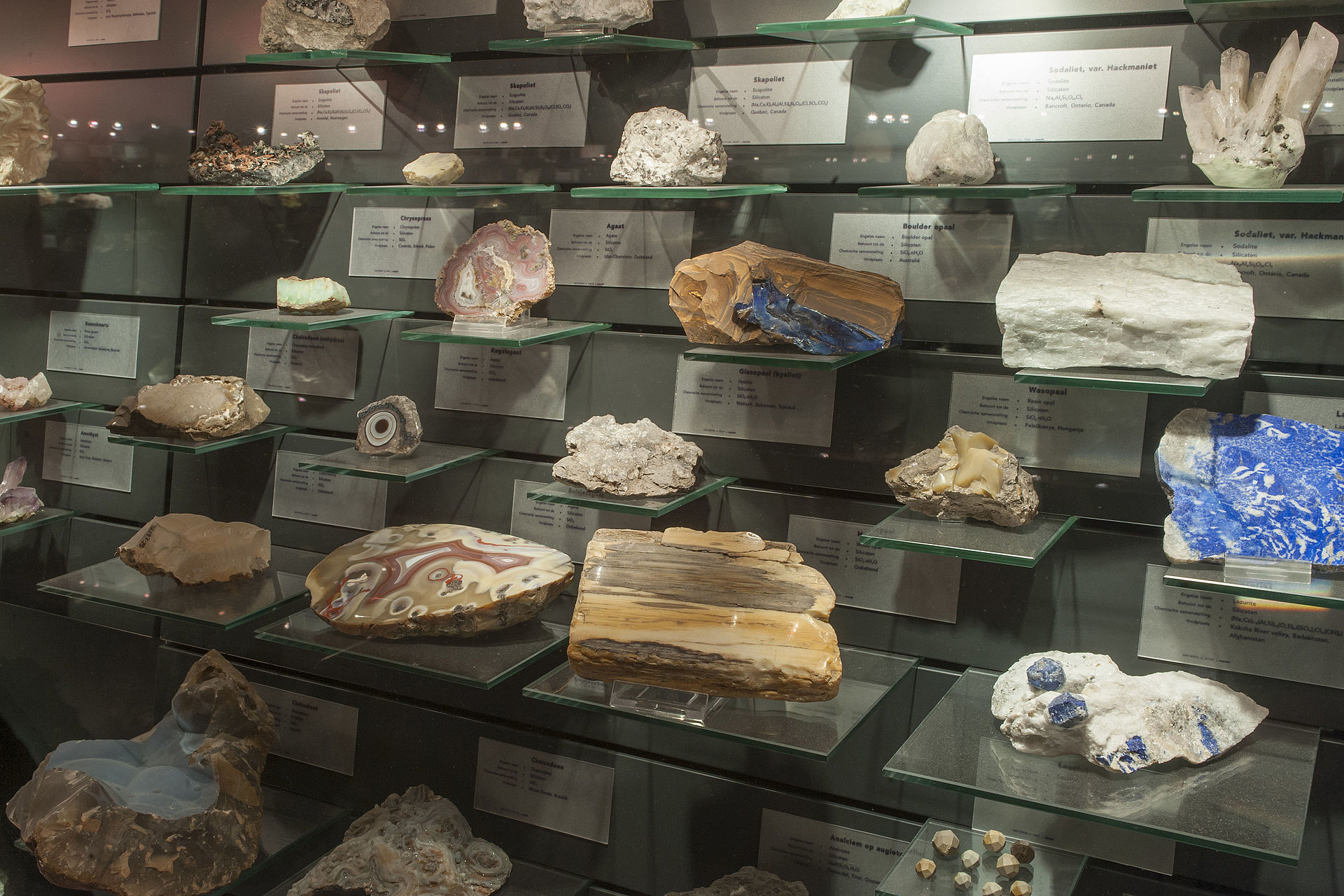
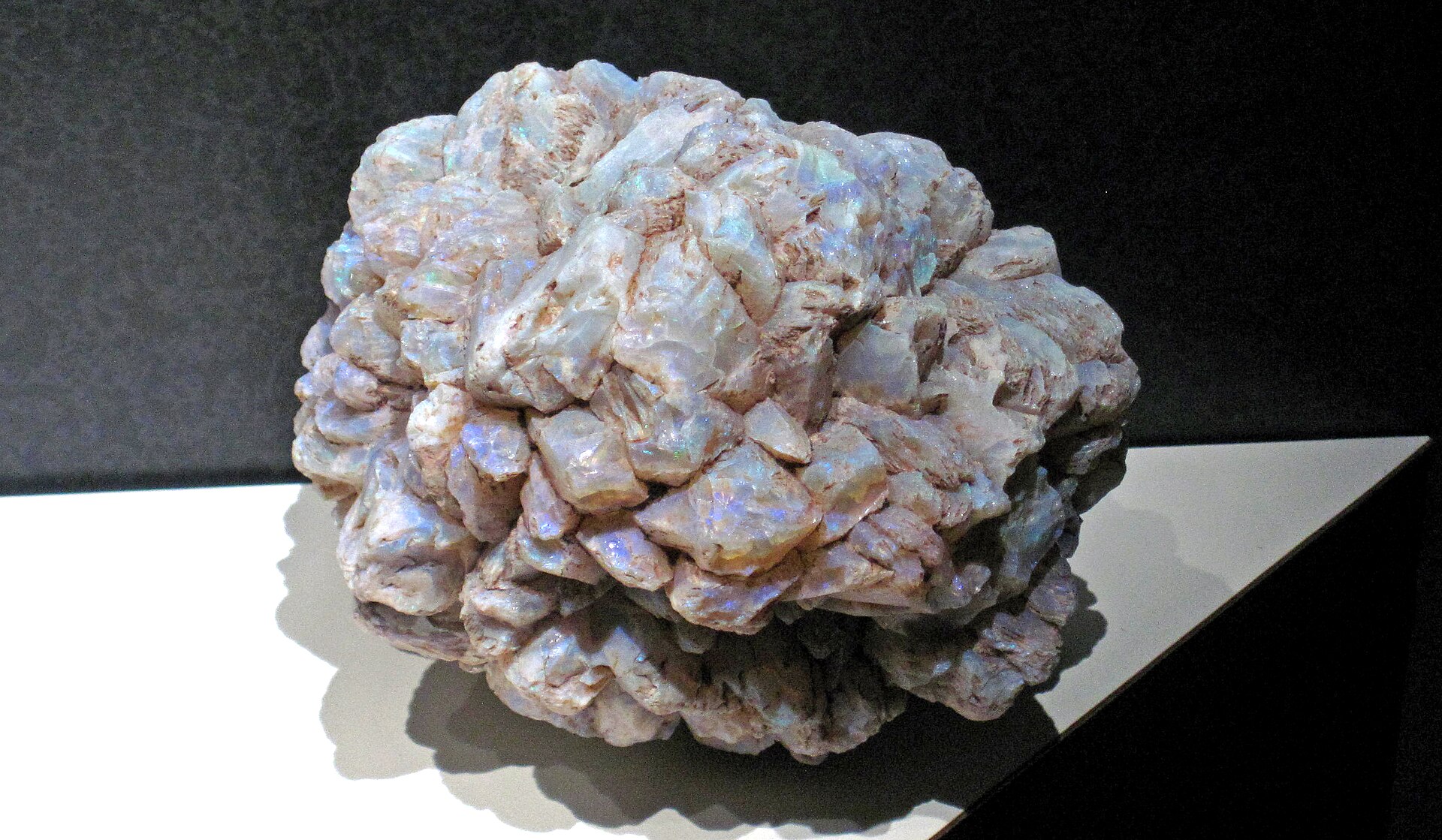
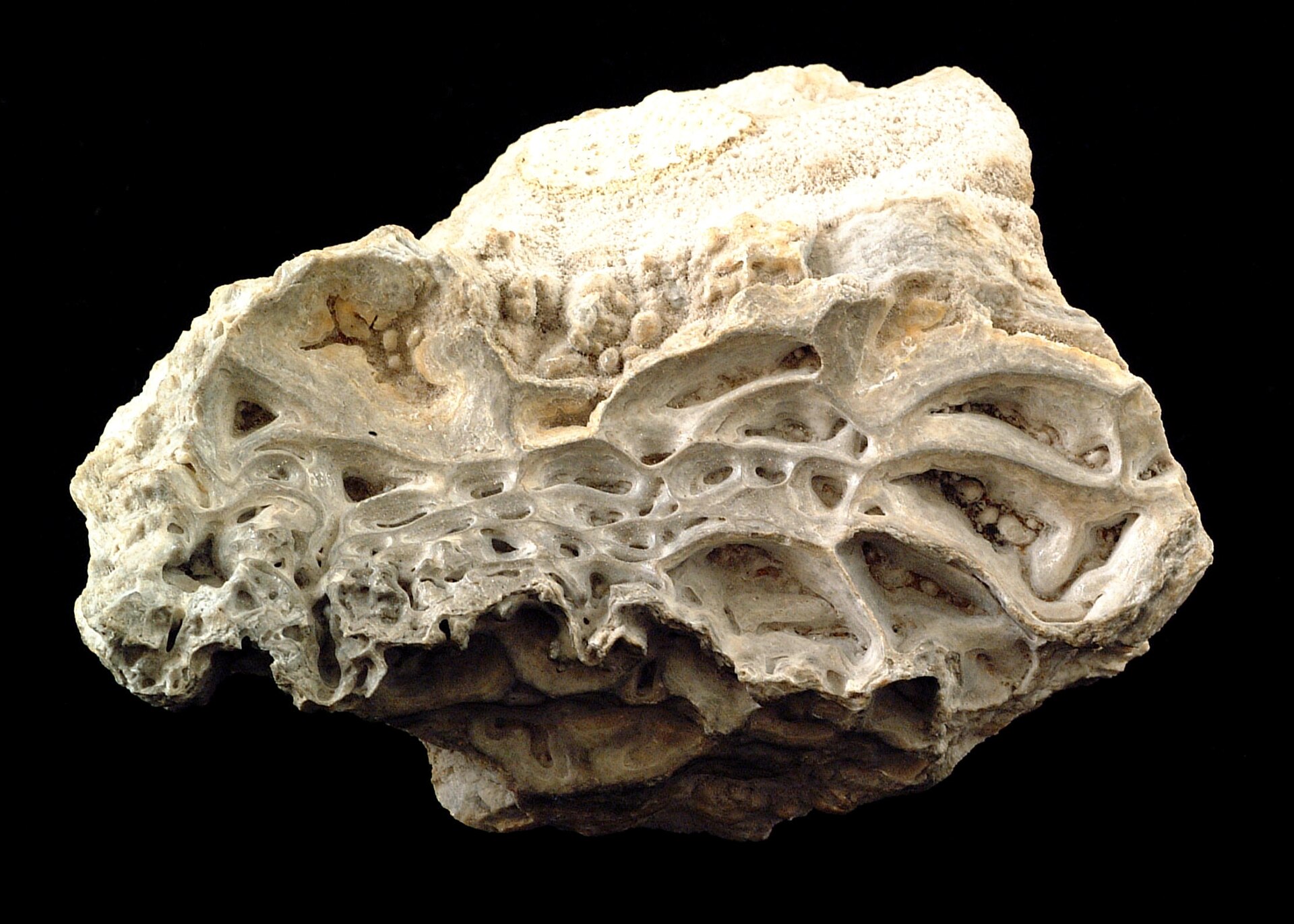
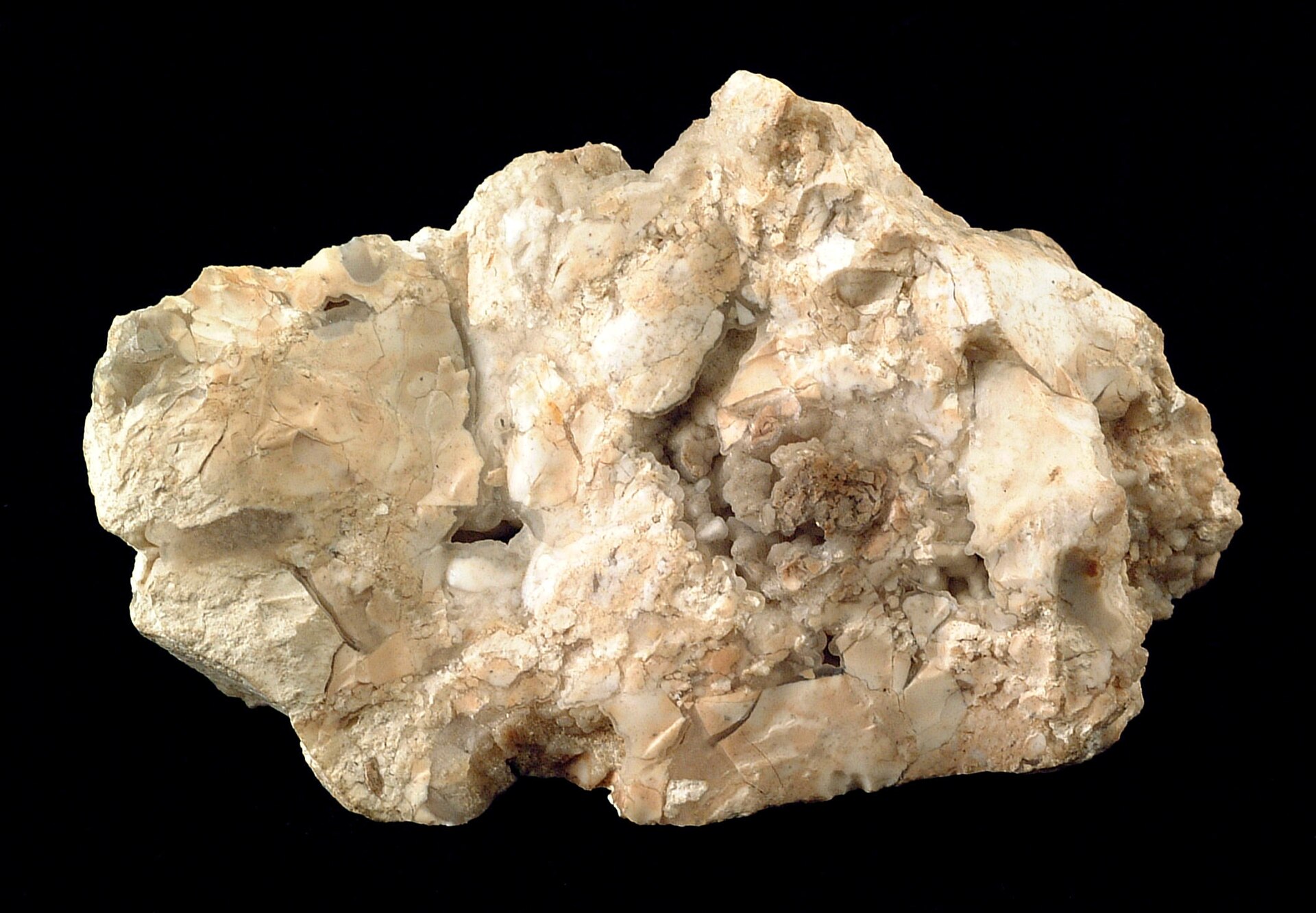
Looking to buy a opal specimen?
Our small curated catalogue of opal specimens is published on Etsy with worldwide shipping.
Browse Gemsprings on Etsy