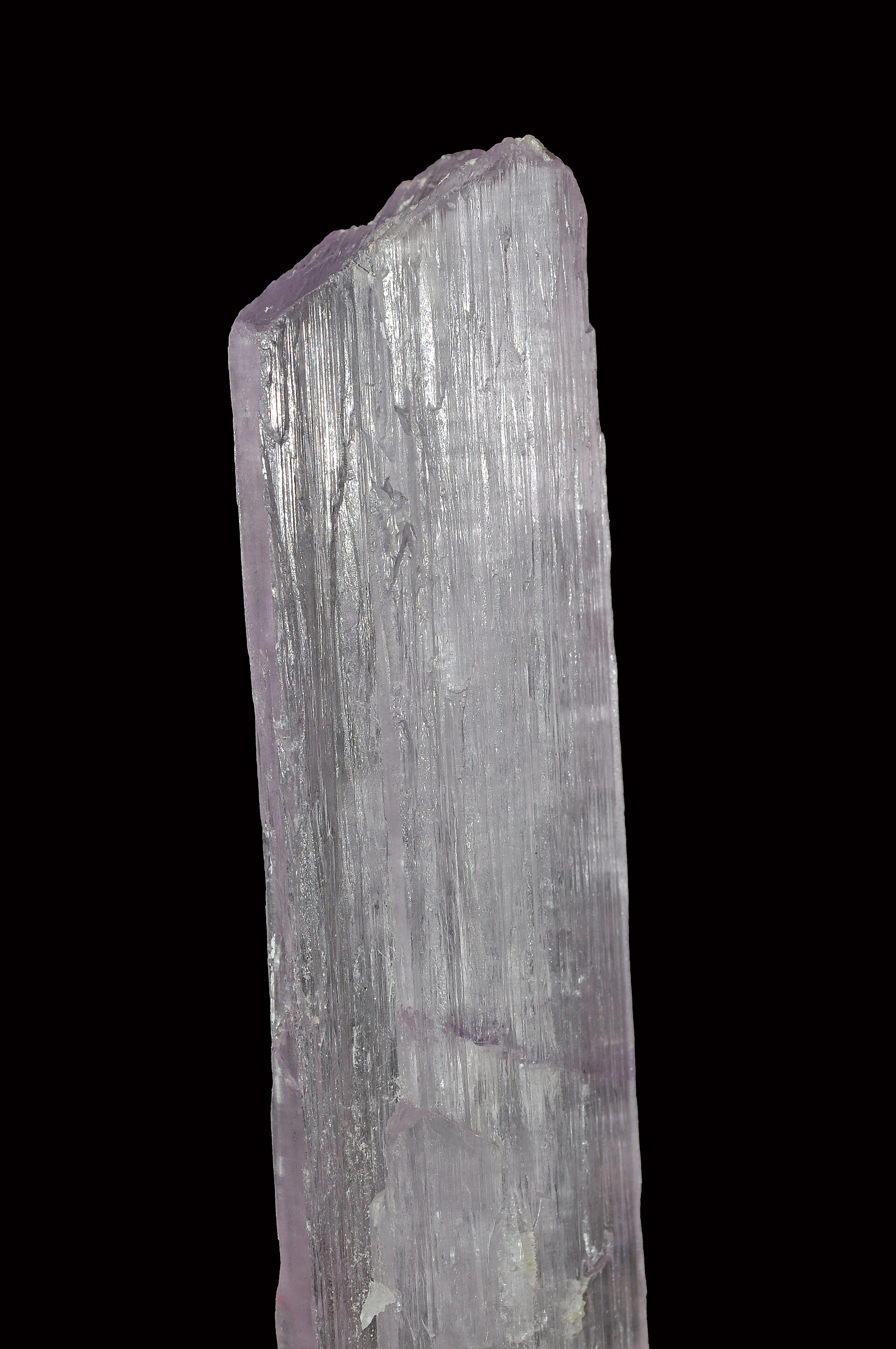
Overview
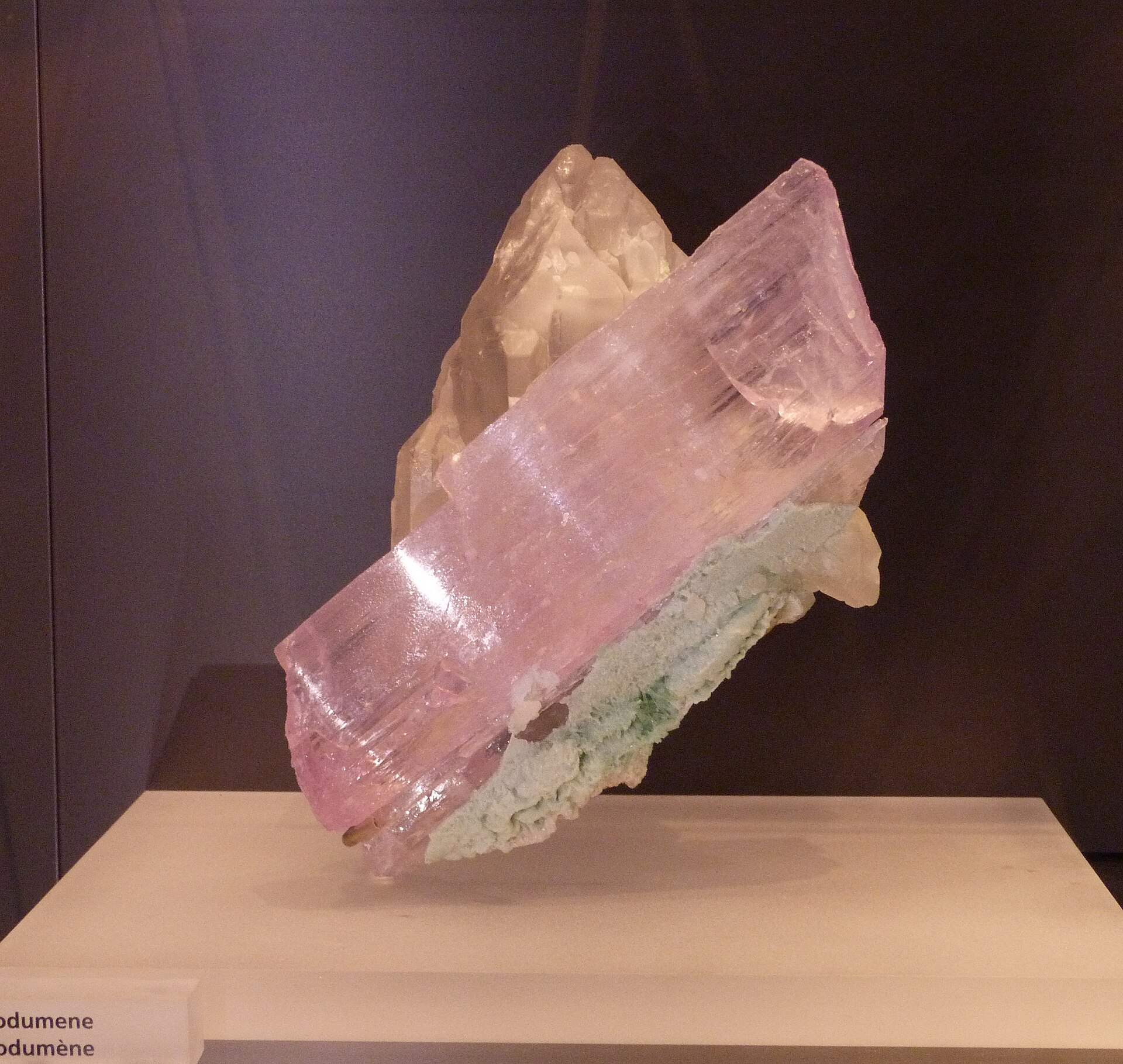
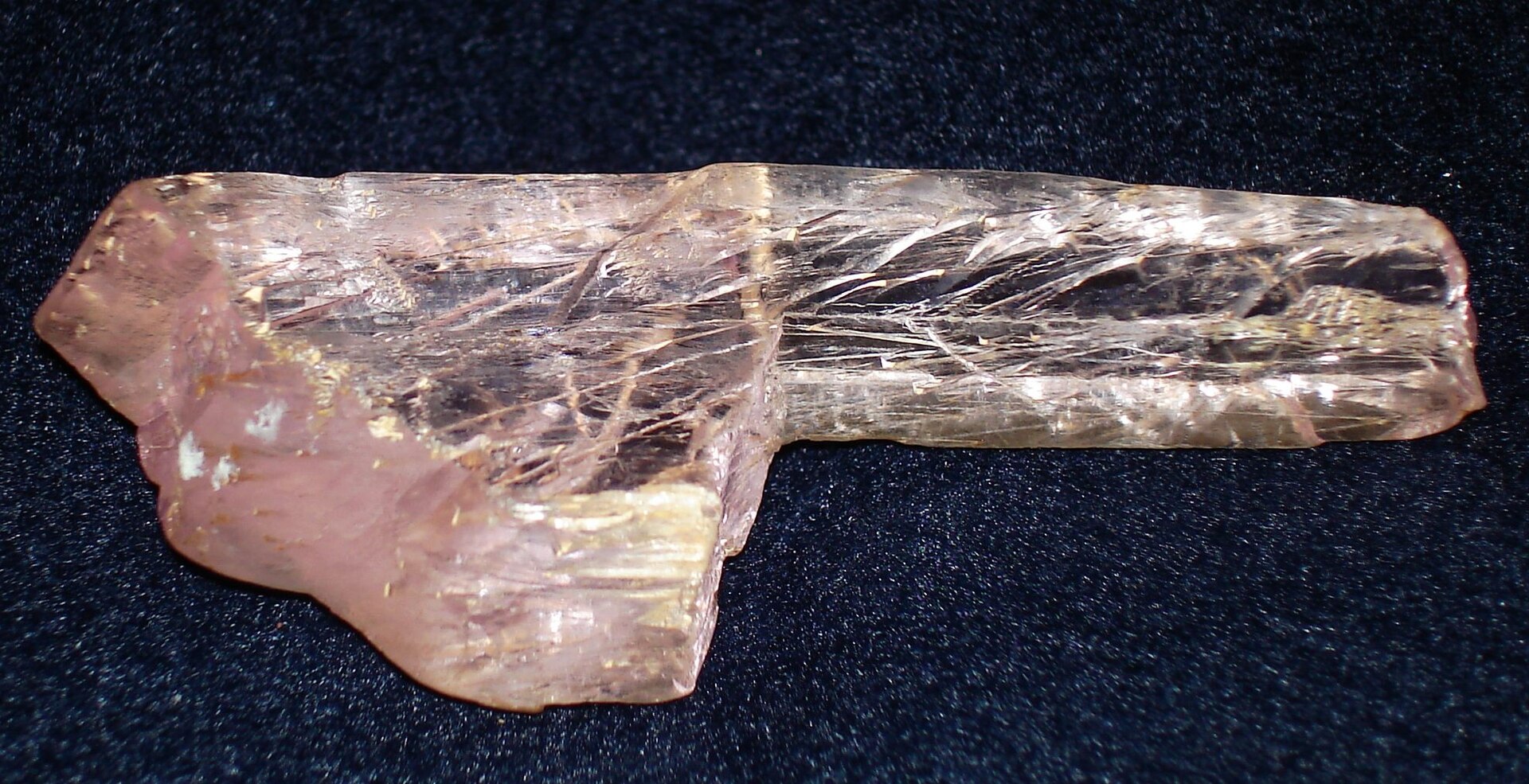
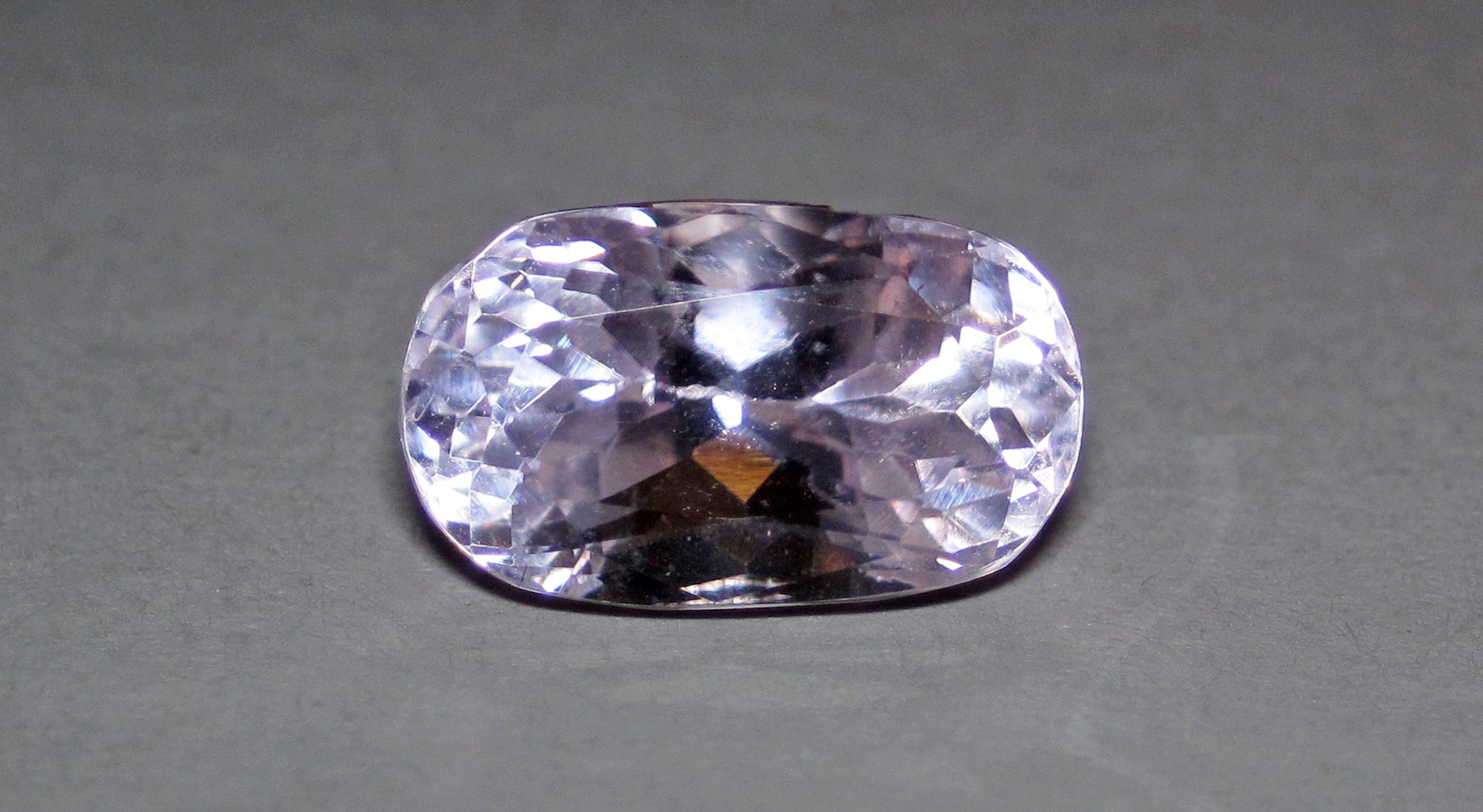
Kunzite is the pink to violet gem variety of spodumene (a lithium aluminium silicate), coloured by trace manganese. It was first identified in 1902 by gemmologist George Frederick Kunz (after whom it is named) when pink spodumene was discovered in the Pala District of California — the first new gem species described in centuries.
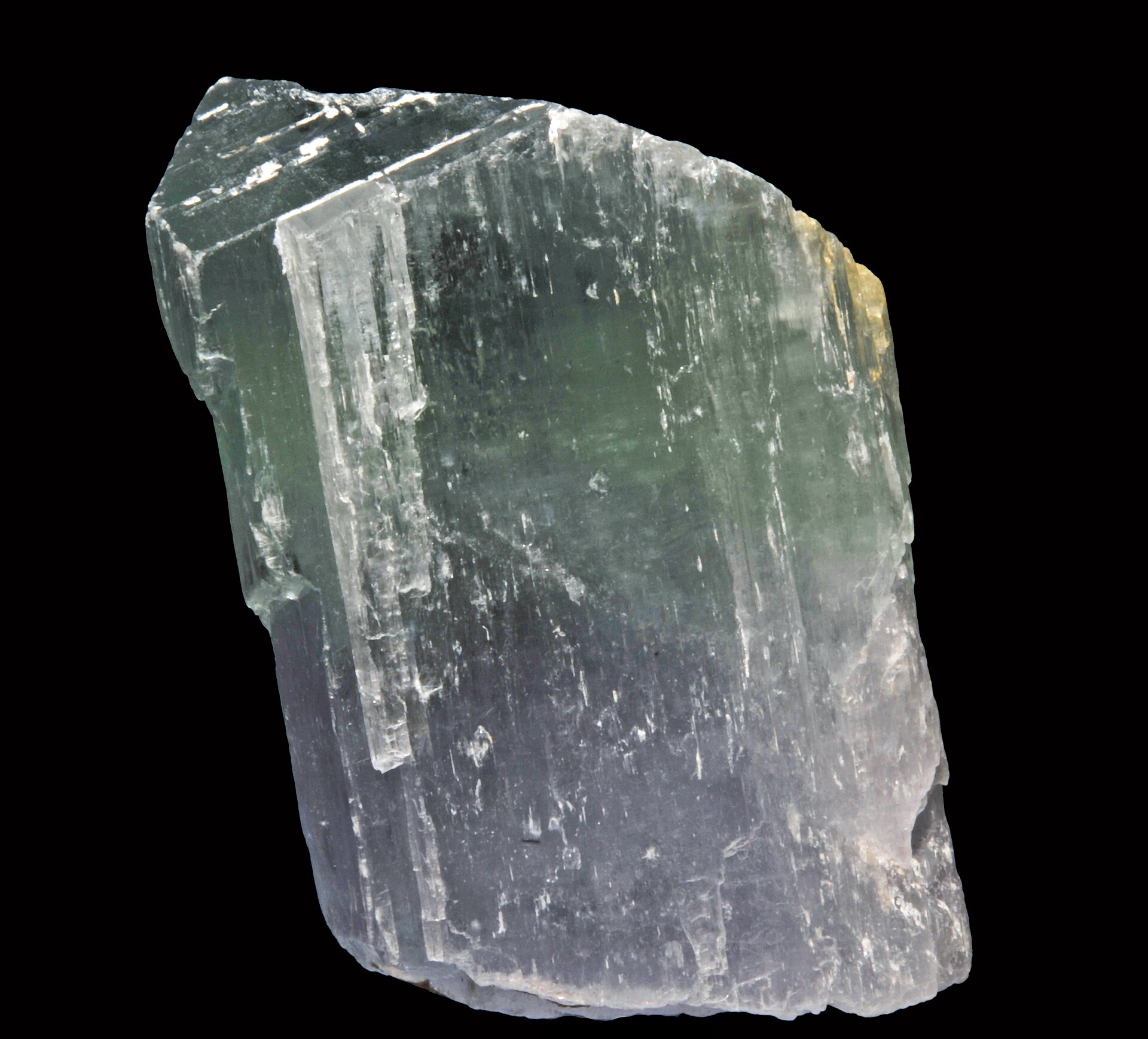
The defining characteristic of kunzite is its strong pleochroism: rotated under light, a single crystal shows colourless, pale pink, and deep pink-violet along its three crystallographic axes. Cutters orient stones carefully to maximise the pink direction. Kunzite often fades with prolonged sunlight exposure — earning it the nickname "evening stone" (display by night, store by day).
The world's most spectacular kunzite crystals come from the Mawi pegmatite in Nuristan, Afghanistan (discovered 1970s) and Chitral, Pakistan — single crystals over 1 metre long, of gem quality, are recorded from these deposits.
Formation
Kunzite forms in lithium-rich granitic pegmatites alongside other lithium minerals: lepidolite, petalite, amblygonite, lithium tourmaline (elbaite). The pegmatite must crystallise from extremely fractionated melts that have concentrated lithium, beryllium, and rare elements over millions of years.
The Mawi pegmatite (Nuristan) is exceptional because the late-stage cavities preserved meter-scale spodumene crystals; in most deposits spodumene crystallises early and the crystals fracture before becoming gem-quality. Pakistan's Chitral and the historic Pala mines of California are part of the same global pegmatite belt of late Mesozoic age.
Brazilian kunzite from Minas Gerais is more recent (discovered 1960s) and generally smaller but exceptionally clean. Madagascan kunzite is the most affordable commercial source.
Varieties
Kunzite — pink to violet-pink spodumene variety.
Hiddenite — emerald-green chromium-bearing spodumene (very rare, North Carolina, named after gemmologist William Earl Hidden).
Yellow spodumene — uncommon yellow variety, sometimes called "triphane".
Standard spodumene — colourless or pale; abundant industrial mineral (lithium source).
How to identify
Kunzite identification:
- Strong pleochroism: colourless → pink → deep pink-violet rotated — diagnostic.
- Hardness 6.5–7 — scratches with topaz; cannot be scratched by quartz.
- Perfect cleavage in two directions at 87° — diagnostic and a major hazard during cutting.
- Specific gravity 3.17–3.19 — heavier than quartz.
- Refractive index 1.660–1.681 — birefringence 0.014-0.027.
- Often shows orange-pink fluorescence under longwave UV.
Common confusions: morganite (pink beryl, harder 7.5–8, weaker pleochroism, lower SG 2.7); pink topaz (harder 8, different cleavage, lower SG 3.5); pink tourmaline (different pleochroism pattern, hexagonal habit, no cleavage).
Heat treatment of kunzite to enhance pink colour is common but unstable — heat-enhanced colour can fade back to pale with sunlight.
Meaning & metaphysical properties
Kunzite is associated with the heart and crown chakras and is considered one of the gentlest stones of unconditional love and divine compassion in modern metaphysical traditions. It is recommended for emotional healing, opening the heart after trauma, releasing romantic attachment, and supporting meditation on universal love.
As a discovery of 1902, kunzite has no ancient lore — its metaphysical associations were developed entirely in the 20th century New Age tradition. Pala California kunzite was a favourite of Tiffany & Co's designer George Kunz himself.
Care & cleaning
Kunzite is fragile for gem use:
- Perfect cleavage in two directions makes it vulnerable to splitting if struck.
- Avoid ultrasonic and steam cleaners — vibration triggers cleavage cracks.
- Avoid sudden temperature changes.
- Clean only with warm soapy water + soft brush.
- Display away from prolonged sunlight — colour fades over months of direct UV exposure (irreversible in heat-treated stones).
- Set in protective mountings (bezel preferred) for jewellery use.
- Reserve for occasional-wear pieces — pendants and earrings rather than daily rings.
Storage: keep in dark cloth-lined boxes when not displayed.
Gallery
Looking to buy a kunzite specimen?
Our small curated catalogue of kunzite specimens is published on Etsy with worldwide shipping.
Browse Gemsprings on Etsy